Skip to content
Titan submarine accident was caused by operator negligence: Final report
According to the Coast Guard investigation report, the operator continued to use the submarine without a full inspection or repair, despite problems with its structure and other critical components.
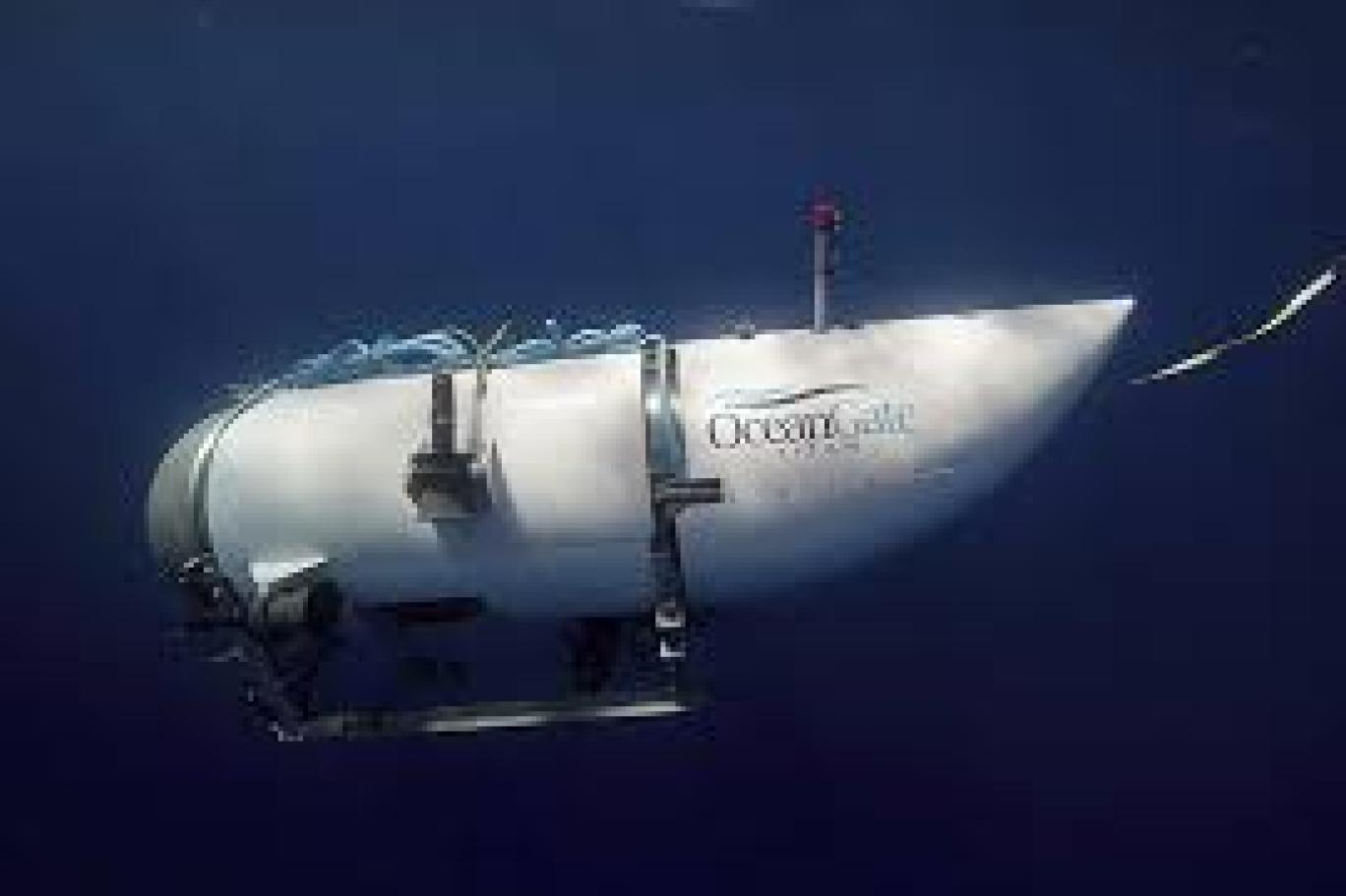
A final report published on Tuesday said that multiple safety violations were behind the fatal disaster of a private submarine that went to the Titanic wreck site in 2023.
The 335-page report by the US Coast Guard blamed the conduct of the submarine’s operator, ‘Oceangate’, and flaws in the design of the Titan submarine as the causes of the tragedy, which could have been avoided. All five passengers aboard the Titan died in the accident.
The report said that ‘Oceangate’s failure to follow established engineering principles for the safety, inspection and repair of the submarine was the root cause of the disaster.’
The report also accused the company of ‘creating an atmosphere of fear and intimidation to avoid regulatory scrutiny.’
It added that the working environment at the company was ‘toxic’, where employees and contractors were deterred from raising safety concerns by senior staff through threats of dismissal or dismissal.
Oceangate chief executive Stockton Rush was on the disastrous mission, along with British adventurer Hugh Harding, French oceanographer Paul Henri Nargiule, Pakistani-born British investor Prince Dawood and his son Suleiman.
A seat on the submarine cost $250,000.
Could the Titanic hero have survived? James ended the discussion
On June 18, 2023, about an hour and 45 minutes after the dive, the SUV-sized submarine lost contact, sparking a frantic search operation around the world.
According to the report, when the submarine was more than two miles deep, its hull collapsed, and all the people suffered ‘instant death’ from the pressure of about 4,930 pounds per square inch of water.
Two seconds later, the team on the support ship heard an ‘explosive sound’ from the surface of the sea, which investigators later linked to the submarine’s destruction.
A few days later, debris was found on the seabed about 1,600 feet (500 meters) from the tip of the Titanic, and human remains were also recovered when the submarine was brought to the surface.
According to the Coast Guard report, Oceangate continued to operate the submarine without a thorough inspection or repair, despite problems with the structure and other critical components.
The report also identified design flaws in the submarine’s unique carbon fiber structure, which weakened its overall structure.
It also made it clear that the submarine was not registered with any international authority, nor certified, nor inspected, nor approved by any recognized organization.
Last year, Nargiule’s family filed a $50 million lawsuit against the company, accusing it of “gross negligence.”
He was known as “Mr. Titanic” because he had visited the wreck 37 times.
Oceangate ceased all operations immediately after the accident.
The wreck of the Titanic lies 400 miles off the coast of the Canadian province of Newfoundland, and has been a center of interest for experts and underwater tourists since its discovery in 1985.
The iconic Titanic sank in 1912 after hitting an iceberg on its maiden voyage, killing more than 1,500 of its 2,224 passengers and crew.